
Scandinavian bedroom ideas blend simplicity with functionality, creating inviting spaces that feel both modern and timeless. This design philosophy emphasizes minimalism, where every piece of furniture and decor serves a purpose while contributing to the overall aesthetic.
Incorporating natural materials, light colors, and a connection to nature is essential in achieving the serene and cozy atmosphere characteristic of Scandinavian design. With an emphasis on comfort and practicality, these ideas can transform any bedroom into a tranquil retreat.
Scandinavian Bedroom Aesthetics
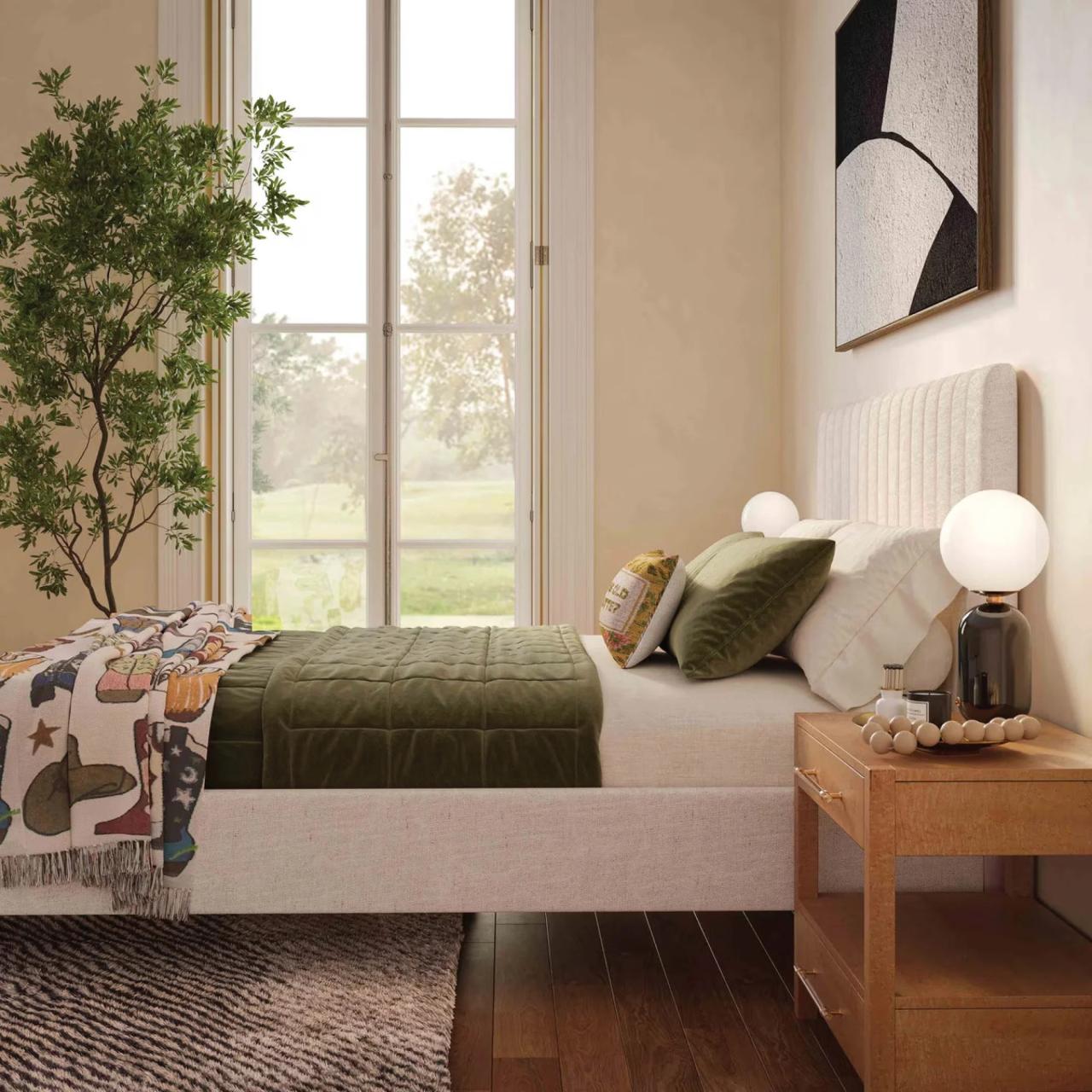
Scandinavian design has become synonymous with simplicity, functionality, and a natural aesthetic that promotes tranquility. These key elements play a crucial role in shaping the ambiance of a bedroom, making it a serene retreat. The beauty of Scandinavian design lies in its ability to merge form and function seamlessly, creating spaces that are both inviting and practical.The defining characteristics of Scandinavian bedroom aesthetics include an emphasis on natural materials, light color palettes, and a commitment to minimalism.
Natural wood, wool, and linen are commonly used materials that not only enhance the visual appeal but also provide warmth and texture. Light colors, such as whites, pale grays, and soft pastels, are prevalent in Scandinavian interiors, reflecting the region’s need for light during long winters. This color scheme contributes to a spacious and airy feel, essential for maintaining a peaceful atmosphere.
Key Elements of Scandinavian Design
Understanding the core elements that define Scandinavian design in a bedroom can help you create a harmonious space. The following points highlight these essential aspects:
- Natural Materials: Using organic materials like wood, stone, and textiles creates a connection to nature, which is pivotal in Scandinavian design. For example, a wooden bed frame can provide a rustic touch while being functional and durable.
- Light Color Palette: Soft hues such as whites and light grays dominate Scandinavian bedrooms, enhancing light reflection and making the space feel larger and more open. These colors create a calming environment, ideal for relaxation.
- Simplicity: The philosophy of “less is more” is evident in Scandinavian bedroom decor. Clean lines and uncluttered spaces, free from excessive ornamentation, contribute to visual peace. A simple bedside table with a minimalist lamp exemplifies this approach.
- Functional Furniture: Multi-functional furniture is a hallmark of Scandinavian design. For instance, a bed with built-in storage or a compact desk that can double as a nightstand maximizes space without compromising on style.
Incorporating these elements into your bedroom can create a space that is not only aesthetically pleasing but also deeply functional. The overall objective is to foster an environment that promotes relaxation and comfort, characteristic of the Scandinavian lifestyle.
Color Palettes for Scandinavian Bedrooms
Scandinavian bedroom design is renowned for its minimalistic yet cozy aesthetic, often achieved through thoughtful color palettes. The use of light and airy hues paired with earthy tones creates a serene environment that promotes relaxation and calmness. This section delves into the most popular color schemes prevalent in Scandinavian interiors, illustrates how to incorporate bold accent colors seamlessly, and explores the psychological effects of these color choices on overall well-being.
Popular Color Schemes in Scandinavian Bedrooms
The color palette in Scandinavian bedrooms typically revolves around neutral and muted tones that create a tranquil atmosphere. The following are key color schemes commonly used:
- Whites and Off-whites: These colors serve as the foundation for most Scandinavian designs, reflecting light and enhancing the sense of space.
- Soft Grays: Grays add depth while maintaining a soothing vibe, making them ideal for larger bedroom walls.
- Earthy Tones: Colors like beige, taupe, and muted greens bring elements of nature indoors, promoting harmony and groundedness.
- Pastel Shades: Soft hues like blush pink, light blue, and mint green are popular for adding a subtle touch of color without overwhelming the senses.
Incorporating Bold Accent Colors Effectively
While Scandinavian design is often characterized by its light palettes, incorporating bold accent colors can inject personality and vibrancy into the space. Here are ways to do this effectively:
- Accent Walls: Choose one wall to paint in a bold color like navy blue or deep green. This creates a focal point without overpowering the room.
- Textiles: Use bright throw pillows, blankets, or rugs to introduce pops of color, making the space feel warm and inviting.
- Artwork: Select artwork featuring striking colors that complement the room’s overall scheme, providing visual interest and conversation starters.
Psychological Effects of Color Choices in Bedroom Design
The colors chosen for a bedroom can significantly affect one’s mood and mental state. Understanding these effects can guide better design decisions:
- Calming Colors: Soft blues and greens are known to promote tranquility, making them perfect for a restful space.
- Energetic Colors: Bold colors like red or orange can stimulate creativity and energy, but should be used sparingly to avoid overstimulation.
- Neutral Tones: These colors create a serene environment, allowing the mind to relax and rejuvenate.
“Color is the keyboard, the eyes are the harmonies, the soul is the piano with a thousand strings.”
Wassily Kandinsky
Furniture Selection and Arrangement
Choosing the right furniture is essential to creating a Scandinavian bedroom that is both functional and visually pleasing. Scandinavian design emphasizes simplicity, minimalism, and natural materials, making the careful selection of furniture a key aspect of this aesthetic. By focusing on pieces that reflect these principles, you can create a serene retreat that promotes relaxation and comfort.When arranging furniture in a Scandinavian bedroom, it’s important to consider both the functionality of the space and the flow of movement.
A well-thought-out layout enhances the overall atmosphere and ensures that the bedroom feels open and inviting. Strategic placement of furniture can optimize space, allowing for better circulation and accessibility.
Choosing Scandinavian Furniture
Selecting furniture that embodies Scandinavian style involves focusing on specific characteristics that define this design approach. The aim is to create a harmonious environment that reflects both beauty and practicality. Key aspects to consider include:
- Natural Materials: Opt for furniture made from wood, leather, and linen. Light woods such as birch or pine are common choices for their warmth and organic appeal.
- Sleek Lines: Look for pieces with clean lines and minimal ornamentation. Scandinavian furniture often features simple shapes that promote a sense of tranquility.
- Neutral Colors: Stick to a color palette dominated by whites, grays, and soft pastels. This allows for a bright and airy feel, which is fundamental to Scandinavian aesthetics.
- Functionality: Prioritize furniture that serves a dual purpose, such as a bed with built-in storage or a nightstand that doubles as a small desk.
Arranging Furniture for Space Functionality
Effective furniture arrangement can significantly improve the functionality and flow of a Scandinavian bedroom. By considering the following points, you can create a space that feels cohesive and well-organized:
- Define Zones: Use furniture placement to create distinct areas within the room, such as a sleeping zone and a reading nook, while ensuring these areas remain connected.
- Maintain Balance: Distribute furniture evenly to avoid overcrowding one side of the room. This can be achieved by placing larger pieces, like the bed, centrally, with smaller items balanced around them.
- Allow for Movement: Ensure there’s enough space between furniture pieces for easy movement. A good rule of thumb is to leave at least 24 inches of walking space around the bed.
- Focal Point: Create a focal point in the room, such as a beautifully designed headboard or a piece of artwork, to draw the eye and anchor the space visually.
Importance of Multi-Functional Furniture
In Scandinavian design, multi-functional furniture holds great significance as it enhances both space efficiency and the minimalist ethos. The use of versatile pieces allows for greater flexibility, making it easier to adapt the bedroom to different needs. Consider the following benefits:
- Space-Saving: Multi-functional furniture, like a sofa bed or an ottoman with storage, helps maximize limited space, making it ideal for smaller bedrooms.
- Versatility: Pieces that can serve multiple purposes can easily transition between uses; for example, a bedside table can also act as a small workspace.
- Reduced Clutter: By incorporating furniture that provides storage solutions, such as a bed with drawers or a bench with hidden compartments, you can maintain a clean and organized environment.
Textiles and Accessories
Integrating the right textiles and accessories is essential for enhancing the Scandinavian bedroom aesthetic, adding warmth and personal touch to the overall design. The thoughtful selection of fabrics, patterns, and decor elements can transform a simple space into a cozy retreat that embodies the essence of Scandinavian minimalism while also providing comfort and style.Choosing textiles that align with Scandinavian design principles involves focusing on natural materials and neutral tones.
Fabrics such as cotton, linen, and wool are preferred for their durability and breathability, while textures play a critical role in achieving that inviting atmosphere characteristic of Scandinavian interiors. Layering different textures helps to create depth and interest in the bedroom, making it a cozy and appealing space to unwind.
Layering Textures for a Cozy Atmosphere
Layering textures is fundamental in Scandinavian design, as it helps to create a welcoming and comfortable environment. The interplay of various fabrics not only adds visual interest but also enhances tactile experience. Here are some effective strategies for layering textures in your bedroom:
- Bed Linens: Start with a crisp white or light-colored cotton duvet cover, and layer it with a chunky knit throw or a soft woolen blanket for warmth.
- Pillows: Use an assortment of different-sized throw pillows made from varied materials—such as velvet, cotton, or faux fur— to create a plush, inviting bed setup.
- Rugs: Incorporate a soft area rug, preferably in a natural fiber like jute or wool, to add warmth underfoot, layering it with a smaller, patterned rug for added style.
Incorporating accessories that complement Scandinavian design principles is equally important to complete the look. Accessories should not only enhance the aesthetic but also reflect functionality and simplicity.
Accessories that Complement Scandinavian Design
Accessories can significantly enhance the overall aesthetic of a Scandinavian bedroom when carefully chosen. They should embody simplicity and functionality while adding a touch of personality. Consider incorporating the following elements:
- Wall Art: Select framed prints or minimalistic canvas art that aligns with the color palette of the room, featuring nature-inspired themes or abstract designs.
- Lamps: Choose sleek, modern lighting fixtures with clean lines, such as pendant lights or bedside lamps in materials like wood or metal, to provide both illumination and style.
- Plants: Introduce greenery with low-maintenance indoor plants, such as succulents or snake plants, which add a refreshing natural element to the space.
- Storage Solutions: Use decorative baskets or minimalist shelving to maintain clutter-free surfaces while incorporating a stylish storage solution.
By combining thoughtfully selected textiles and accessories, you can create a harmonious Scandinavian bedroom that is both aesthetically pleasing and incredibly cozy.
Lighting Solutions
Effective lighting is a critical element in Scandinavian bedroom design, as it enhances the overall aesthetic while also promoting functionality and comfort. In these spaces, where minimalism and tranquility reign, the right lighting can significantly impact mood and ambiance. Natural light is particularly valued in Scandinavian interiors, as it accentuates the clean lines and muted tones characteristic of the style, creating a serene and inviting environment.The emphasis on natural light in Scandinavian bedrooms is rooted in the concept of maximizing sunlight, especially during the long, dark winters.
Large windows are often preferred, allowing daylight to flood the room. However, achieving the right balance of artificial lighting is equally important to maintain a cozy atmosphere during the evenings. Below are some lighting options that complement the minimalist aesthetic commonly found in Scandinavian design.
Natural and Artificial Lighting Options
Combining natural and artificial lighting effectively can create a warm and inviting atmosphere. Here are some options that fit seamlessly within Scandinavian design principles:
- Large Windows: Maximizing natural light is essential. Consider installing floor-to-ceiling windows or oversized picture windows that frame outdoor views while flooding the interior with sunlight.
- Soft LED Lighting: Warm-toned LED bulbs offer energy efficiency while providing the soft glow that enhances a cozy ambiance. Use dimmable fixtures to adjust the mood based on the time of day.
- Minimalist Pendant Lights: Sleek pendant lights made from materials like metal or glass can serve as statement pieces. Choose designs that emphasize simplicity, such as geometric shapes or Nordic-inspired designs.
- Table and Floor Lamps: Incorporating lamps with wooden or ceramic bases aligns with the natural elements of Scandinavian design. Opt for soft shades that diffuse light gently across the room.
- Wall Sconces: Wall-mounted fixtures can free up limited floor space while adding character. Look for simple, elegant designs that complement the room’s decor.
Creating a warm and inviting atmosphere using lighting involves layering different types of light sources to enhance the room’s depth and versatility. This approach allows for flexibility in setting the desired mood throughout the day.
“Layered lighting in a Scandinavian bedroom helps cultivate a sense of warmth and comfort, essential for relaxation.”
Incorporating dimmers on light fixtures can grant further control, allowing you to adjust the brightness according to your needs—bright light for daytime tasks and a soft glow for cozy evenings. Accent lighting can also highlight specific elements in the room, such as artwork or architectural features, adding to the overall aesthetic appeal.
Incorporating Nature into Bedroom Design
Bringing the essence of nature into your Scandinavian bedroom can significantly enhance its aesthetic and create a tranquil atmosphere. This design philosophy emphasizes simplicity and functionality while promoting a connection to the natural world. Incorporating indoor plants and natural elements is not only visually appealing but also contributes to a soothing environment that promotes relaxation and well-being.Integrating natural elements is vital for fostering a serene vibe that resonates with Scandinavian design principles.
Nature has a calming effect, reducing stress and improving air quality, which are essential for a restful bedroom. The use of organic materials and biophilic design fosters an atmosphere that encourages a deep sense of peace and connection to the environment. Here are several effective ways to incorporate nature into your bedroom design:
Ways to Bring Indoor Plants into a Scandinavian Bedroom
A well-thought-out selection of indoor plants can enhance the tranquility of your bedroom. Here are some effective strategies to introduce greenery into your space:
- Choose Low-Maintenance Plants: Opt for plants such as succulents, snake plants, or pothos that require minimal care and thrive in various light conditions. These species are perfect for busy lifestyles while adding a natural touch.
- Utilize Vertical Space: Consider wall-mounted planters or hanging pots to maximize space. This allows you to create a green wall feature that adds depth and visual interest without taking up valuable floor space.
- Incorporate Nature-Inspired Decor: Utilize nature-themed artwork or textiles that feature botanical prints. This brings the essence of the outdoors into your space without the need for live plants.
- Group Plants Creatively: Arrange plants in clusters on shelves or window sills at varying heights to create an engaging focal point. Mixing different textures and colors of foliage adds depth and variety.
- Choose Natural Materials: Use ceramic pots, woven baskets, or reclaimed wood plant stands that complement the Scandinavian aesthetic while providing a home for your greenery.
- Incorporate Air-Purifying Plants: Select plants known for their air-purifying qualities, such as peace lilies or spider plants, to enhance both aesthetics and air quality.
Integrating these elements effectively can help in creating a serene environment that mirrors the simplicity and beauty found in nature. Each plant not only serves a functional purpose but also contributes to the overall aesthetic appeal of the room.
“Bringing nature indoors enhances both aesthetics and air quality, fostering a tranquil atmosphere.”
To sum up, incorporating nature into your Scandinavian bedroom design is a rewarding endeavor that enhances the overall ambiance while promoting well-being. By thoughtfully selecting and arranging plants, you can create a harmonious balance between indoor comfort and the natural world.
Interior Design and Decorating Principles
When it comes to creating a Scandinavian-inspired bedroom, understanding the fundamental principles of interior design is essential. These principles guide how spaces are arranged and decorated, striking a balance between aesthetics and functionality. In Scandinavian design, where minimalism meets warmth, applying these principles ensures that your bedroom is not only beautiful but also a comfortable retreat.The key to successful interior design lies in the harmony between visual appeal and practical use.
A well-decorated bedroom should facilitate relaxation while reflecting your personal style. This balance can be achieved through thoughtful planning and consideration of space, color, furniture, and accessories. Below are some core principles and common decorating mistakes to avoid in your bedroom design.
Fundamental Principles of Interior Design
A solid foundation in interior design principles can significantly enhance your bedroom’s atmosphere. Here are some essential concepts to consider:
- Space: The layout of furniture and accessories should allow for easy movement and accessibility. Aim for an open space that fosters a sense of tranquility.
- Balance: Achieving visual balance can be done through symmetrical or asymmetrical arrangements. In a Scandinavian bedroom, balance often comes from pairing a light-colored bed with darker elements like nightstands.
- Color: Utilizing a cohesive color palette is vital. Soft, neutral tones such as whites, grays, and pastels are commonly used in Scandinavian design to create an inviting atmosphere.
- Texture: Incorporate various textures through textiles like blankets, pillows, and rugs to add depth and warmth while maintaining minimalism.
- Functionality: Each piece of furniture should serve a purpose. Choose multi-functional furniture, such as storage beds or nightstands with shelves, to maximize space.
Balancing Aesthetics and Functionality
Striking the right balance between aesthetics and functionality is crucial for a comfortable bedroom. A beautifully designed space can only be effective if it meets your needs and lifestyle. For instance, a stunning bedframe should be complemented by a quality mattress for optimal comfort.Here are some tips to achieve this balance:
- Choose furniture that enhances the room’s aesthetic while fulfilling its function. For example, sleek dressers not only provide storage but also serve as decorative surfaces.
- Incorporate storage solutions to keep the space organized. Use baskets or decorative boxes that match your decor style to maintain a clean look.
- Arrange furniture to promote ease of movement. Ensure that nightstands are within arm’s reach of the bed for convenience while maintaining an open layout.
- Utilize accessories that serve dual purposes, such as decorative pillows that provide comfort and add to the visual appeal.
Common Decorating Mistakes to Avoid
Even seasoned decorators can make errors that detract from a well-designed space. Here are some frequent mistakes and how to sidestep them:
- Overcrowding: Too much furniture can make a bedroom feel cramped. Stick to essential pieces and allow for some negative space.
- Ignoring Scale: Furniture that is too large or small can throw off the room’s proportions. Choose items that fit well within the dimensions of the space.
- Lack of Cohesion: Mixing too many styles or colors can create visual chaos. Aim for a unified palette and style throughout the room.
- Neglecting Lighting: Poor lighting can diminish the room’s ambiance. Layer lighting sources, such as bedside lamps, overhead fixtures, and natural light, to create a warm atmosphere.
“A beautiful bedroom is not just about aesthetics; it’s about creating a space that feels welcoming and functional.”
Kitchen Improvements Related to Bedroom Themes
Creating a cohesive design between kitchens and adjacent bedrooms can significantly enhance the overall aesthetic of your home. When these areas harmonize, it not only elevates the visual appeal but also fosters a sense of continuity throughout your living space. By focusing on shared design elements like color schemes, materials, and layouts, you can seamlessly blend the functionality of the kitchen with the tranquility of the bedroom, leading to a more enjoyable home environment.
Cohesive Design Between Kitchens and Bedrooms
Incorporating similar design elements in both the kitchen and bedroom can create a unified look that feels intentional and well-planned. Here are some ideas to achieve this harmony:
- Color Coordination: Choose a color palette that works in both spaces. Soft neutral tones like whites, greys, and beiges can create a calming flow between the kitchen and bedroom.
- Similar Materials: Use the same materials for countertops in the kitchen and nightstands in the bedroom. For instance, a beautiful wood finish can tie both spaces together.
- Consistent Hardware: Opt for matching hardware, such as drawer pulls and cabinet handles, that reflect your style in both the kitchen and bedroom.
- Shared Decorative Themes: Incorporate similar decorative items, like artwork or wall decor, that showcase your personal style and resonate with the aesthetic of both rooms.
Influence of Kitchen Color Schemes on Bedroom Décor Choices
The color scheme of the kitchen can significantly influence the decor choices in the adjacent bedroom. Colors evoke emotions and set the mood for each space. For example:
Warm Tones
If your kitchen features warm tones like yellow or orange, consider incorporating these hues into your bedroom through throw pillows or artwork. This can create a cheerful and inviting atmosphere.
Cool Tones
A kitchen painted in cool tones like blue or green can inspire a serene and tranquil bedroom space. Utilize these colors in bedding or wall paint to extend the peaceful vibe.
Accent Colors
Use accent colors from the kitchen to infuse personality into the bedroom. For instance, if you have a vibrant backsplash, selecting a similar color for your bedroom accessories can create visual interest.
Impact of Open-Concept Spaces on Overall Home Design
Open-concept designs have become increasingly popular, particularly in modern homes. This layout significantly influences how kitchens and bedrooms relate to one another. Here are some key points on the impact of this design choice:
Visual Continuity
Open spaces allow for a visual connection between the kitchen and bedroom, making it essential to maintain a consistent style throughout. This can be achieved through careful planning of color schemes and materials.
Flow and Functionality
Open-concept designs promote a natural flow between spaces, enhancing functionality. For example, consider how the kitchen’s bustling activity can be complemented by a bedroom that offers calm and comfort, allowing for smooth transitions throughout the day.
Lighting Considerations
Natural light can play a significant role in open-concept designs. Ensure that lighting in both the kitchen and bedroom is well-coordinated to maintain a balanced ambiance. Use similar light fixtures that complement each other, creating an inviting atmosphere throughout the home.
Creating a cohesive aesthetic between your kitchen and bedroom not only enhances the beauty of your space but also promotes a feeling of harmony and balance throughout your home.
Landscaping Outdoor Decorating
The connection between the outdoors and bedroom design is a vital aspect of creating a harmonious living space. Landscaping can enhance the overall aesthetic of your bedroom, providing both visual appeal and a sense of tranquility. By thoughtfully integrating outdoor elements into your bedroom design, you can create a serene retreat that feels expansive and inviting.Outdoor aesthetics significantly influence bedroom design themes by blurring the lines between indoor and outdoor environments.
Incorporating natural elements such as plants, flowers, and trees into your landscape can create a soothing backdrop that complements your interior decor. The colors, textures, and patterns found in nature can be mirrored in your bedroom furnishings and accents, enhancing the overall theme. For example, a palette inspired by the lush greens of a garden or the soft hues of a sunset can bring coherence to the design, creating a calming atmosphere conducive to relaxation.
Benefits of Views from the Bedroom
Having a view of landscaped areas from the bedroom comes with multiple advantages that enhance both the aesthetics and functionality of the space. A beautiful outdoor landscape can serve as a living piece of art, providing a dynamic backdrop that changes with the seasons. This natural visual stimulation can uplift your mood and create a serene ambiance that is conducive to restful sleep.
Furthermore, the presence of landscaping can improve air quality and promote a sense of connection to nature. This connection is proven to reduce stress and enhance overall well-being, making your bedroom a more restorative place. The sounds of rustling leaves or chirping birds can add a gentle soundtrack that further enhances the relaxing vibe of the space.
Creating a Seamless Transition Between Indoor and Outdoor Spaces
To facilitate a smooth transition between your indoor bedroom and the outdoor landscape, consider the following strategies that harmoniously integrate both areas.
1. Use Large Windows or Glass Doors
Installing expansive windows or sliding glass doors allows natural light to flood the bedroom while providing unobstructed views of the outdoor landscape. This design choice creates an inviting connection between the two spaces.
2. Incorporate Natural Materials
Utilize wood, stone, and other natural materials in your interior decor that mimic the textures found outdoors. This can be reflected in furniture choices, flooring, and even wall finishes.
3. Extend the Color Palette
Choose colors for your bedroom decor that reflect the hues of your landscaped areas. Soft greens, earthy browns, and sky blues can create an inviting and cohesive look.
4. Outdoor-Inspired Textiles
Use textiles that echo outdoor themes, such as botanical prints or fabrics with natural motifs. This can be applied to bedding, curtains, and throw pillows, enhancing the overall design aesthetic.
5. Landscaped Balconies or Patios
If space permits, create an outdoor balcony or patio that extends from the bedroom. Furnish it with comfortable seating and potted plants, transforming it into an extension of your personal retreat.By implementing these strategies, you can create a seamless flow between your indoor and outdoor living spaces, enriching your bedroom experience and enhancing your overall quality of life.
Home Lighting Techniques
Lighting plays a crucial role in creating the perfect ambiance in Scandinavian bedrooms. The right lighting not only enhances the aesthetic appeal of the space but also influences mood and functionality. By employing various lighting techniques, you can transform your bedroom into a cozy retreat filled with warmth and style.Layering light sources is essential in bedroom design, as it allows for flexibility in illumination levels depending on the time of day and activity.
A well-lit bedroom typically includes a combination of ambient, task, and accent lighting, each serving a distinct purpose.
Importance of Layered Lighting
Layering lighting creates a dynamic environment, allowing for both general illumination and specific task lighting. Each layer contributes to the overall aesthetic and functionality of the space. Here are the primary types of lighting to consider:
- Ambient Lighting: This is the general illumination that fills the room, often provided by ceiling-mounted fixtures or chandeliers. In a Scandinavian bedroom, soft, diffused light is preferred. Fixtures that feature white or light wood accents, such as a minimalist pendant light, work beautifully in this context.
- Task Lighting: Task lights focus on specific areas where activities occur, like reading or working. Examples include bedside lamps with adjustable arms or sleek wall-mounted sconces that blend seamlessly with the Scandinavian aesthetic.
- Accent Lighting: This type of lighting is used to highlight architectural features or decor elements, creating visual interest. Consider using LED strip lights behind headboards or inside shelves to create a soft glow that accentuates beautiful objects or wall textures.
Scandinavian-Style Lighting Fixtures
Selecting lighting fixtures that complement the Scandinavian style is key to achieving a cohesive look. Here are some popular options that resonate with this aesthetic:
- Pendant Lights: Simple, geometric shapes in natural materials like wood or metal are ideal. A pendant light with a matte finish can add a touch of elegance above a bedside table.
- Table Lamps: Look for table lamps with clean lines and neutral colors. A ceramic lamp with a soft texture or a wooden base can seamlessly integrate into Scandinavian decor.
- Wall Sconces: These are perfect for saving space and adding style. Choose sconces that provide both ambient and task lighting, such as those that feature adjustable heads.
Incorporating these lighting techniques and fixtures will not only enhance the functionality of your bedroom but also elevate its overall aesthetic, marrying comfort with Scandinavian design principles.
New Construction Considerations
Incorporating Scandinavian design principles into new bedroom construction is an exciting opportunity to create a serene and functional space. By focusing on simplicity, natural materials, and an emphasis on light, you can craft a bedroom that embodies the essence of Scandinavian aesthetics. As you plan your new build, consider key design elements that not only enhance beauty but also promote comfort and well-being.When designing a new bedroom, there are several key elements to consider that align with Scandinavian principles.
An effective layout maximizes space while ensuring a seamless flow and comfort. Here are some crucial aspects to integrate into your design:
Key Design Elements
Integrating essential design elements is critical for a successful Scandinavian bedroom. Here are the main features to consider during the planning phase:
- Open Layout: Prioritize an open layout that allows for easy movement and enhances the feeling of spaciousness.
- Functional Furniture: Select multi-functional furniture pieces, such as beds with storage drawers or nightstands with charging stations.
- Natural Materials: Use wood, stone, and textiles that are sustainably sourced to create a warm and inviting atmosphere.
- Neutral Color Palette: Embrace a color scheme of muted tones such as whites, grays, and soft pastels to foster tranquility.
- Minimalist Decor: Keep decor simple and intentional; choose a few statement pieces instead of cluttering the space.
Incorporating Scandinavian Principles
Incorporating Scandinavian principles into the construction of a new bedroom involves focusing on comfort, functionality, and a connection to nature. Here’s how to achieve this:
- Natural Light: Design window placements to maximize daylight, ensuring that natural light permeates the space.
- Indoor-Outdoor Connection: Use large sliding doors or windows that open to outdoor spaces, creating a seamless transition between inside and outside.
- Textured Layers: Layer textiles such as wool, cotton, and linen to add warmth and coziness without overwhelming the design.
- Intentional Layout: Position the bed to take advantage of views and light, making it the focal point of the room.
- Eco-Friendly Choices: Incorporate energy-efficient windows, sustainable materials, and eco-conscious building practices to align with the Scandinavian focus on nature.
Planning for Natural Light
Natural light is a cornerstone of Scandinavian design, contributing to the overall ambiance and functionality of the bedroom. Here are key insights for planning natural light in new constructions:
- Window Size and Placement: Opt for larger windows that are strategically placed to capture sunlight at different times of the day.
- Skylights: Incorporate skylights or light tubes to bring natural light into areas that might not have sufficient window access.
- Light Reflective Surfaces: Use light-colored walls and reflective surfaces to amplify the effect of natural light in the room.
- Outdoor Shade Management: Plan for external shading options like overhangs or awnings to control the amount of light entering the room during different seasons.
- Seasonal Adaptability: Design arrangements that can adapt to seasonal changes in light intensity, ensuring comfort year-round.
“Natural light not only enhances the aesthetic appeal of a bedroom but also significantly contributes to mental well-being.”
Home Painting Techniques
To enhance the serene and understated beauty of Scandinavian bedroom decor, utilizing effective home painting techniques is essential. The right techniques can create a harmonious environment that reflects the minimalist aesthetic characteristic of Scandinavian design. By focusing on light, color, and texture, you can achieve a tranquil space that promotes relaxation and simplicity.One of the key aspects of Scandinavian painting techniques is the focus on light, which plays a crucial role in creating the intended atmosphere.
Techniques such as color washing, sponging, or using a flat finish can enhance the natural light, making the space feel airy and open. Additionally, the choice of colors can dramatically influence the mood and perception of the room.
Recommended Paint Finishes for a Minimalist Look
Selecting the right paint finishes can significantly contribute to the minimalist appeal of a Scandinavian bedroom. The finishes not only affect the appearance but also the texture and overall ambiance of the space. Here’s a breakdown of recommended paint finishes to consider:
- Matte Finish: Provides a soft, non-reflective surface, ideal for creating a warm and cozy atmosphere. It’s perfect for walls as it minimizes distractions and imperfections.
- Eggshell Finish: Offers a slight sheen, making it easy to clean while still maintaining a soft look. It’s great for areas that require a bit more durability.
- Satin Finish: This finish has a subtle sheen that can bring a touch of elegance without being overwhelming. It works well in bedrooms, especially on trim and moldings.
- Flat Enamel Finish: Combines the durability of enamel with the softness of a matte finish, making it suitable for high-traffic areas while preserving a minimalist aesthetic.
Color Trends in Home Painting Relevant to Bedroom Design
The choice of colors in a Scandinavian bedroom is critical as it sets the tone for relaxation and comfort. Recent trends in color palettes reflect a shift towards softer, nature-inspired hues that resonate with the Scandinavian ethos. Key color trends include:
- Soft Whites: Timeless and versatile, soft whites can create an open and airy feeling, making the space feel larger and more inviting.
- Pale Grays: These neutral tones add depth without overwhelming the senses. They pair beautifully with warm wood tones and are perfect for creating a serene backdrop.
- Muted Pastels: Shades like dusty pinks, soft blues, and gentle greens can introduce a subtle pop of color while still adhering to the minimalist aesthetic.
- Earthy Tones: Colors like terracotta, sage green, and taupe reflect nature and can add warmth and comfort to the bedroom environment.
Creating an Inviting Patio Deck
Outdoor spaces serve as an essential extension of Scandinavian bedrooms, offering a serene environment that enhances the overall aesthetic of your home. A well-designed patio deck can seamlessly blend comfort with the minimalist charm characteristic of Scandinavian design. By creating a welcoming outdoor retreat, you allow for relaxation and enjoyment in nature, further enriching your living experience.When designing your patio deck, consider how it can complement the interior of your Scandinavian bedroom.
The key is to maintain a cohesive aesthetic that highlights simplicity and functionality while embracing natural elements. Here are some ideas for patio decor that align with Scandinavian design principles:
Patio Decor Ideas for Scandinavian Design
Incorporating the following elements into your patio decor can help create a stylish and inviting outdoor space:
- Natural Materials: Choose furniture made from wood, rattan, or bamboo to resonate with the natural ambiance that defines Scandinavian design. These materials not only offer durability but also enhance the organic feel of the space.
- Neutral Color Palettes: Stick to soft, muted colors like whites, grays, and earth tones. This palette complements the serene vibe of Scandinavian interiors while allowing the lush greenery of your garden to shine.
- Functional Furniture: Opt for multifunctional pieces such as benches with storage or folding tables. This approach maximizes space while adding practicality to your outdoor area.
- Cozy Textiles: Use outdoor cushions and blankets made from weather-resistant fabrics in light, airy tones. These textiles not only provide comfort but also invite relaxation, encouraging you to spend more time outdoors.
- Simple Planters: Incorporate minimalist planters filled with local plants or herbs. The use of greenery adds life to your patio while adhering to the Scandinavian ethos of connecting with nature.
Creating a cozy outdoor retreat accessible from the bedroom involves thoughtful planning. Consider the following tips to enhance your outdoor experience:
Tips for a Cozy Outdoor Retreat
To ensure your patio deck serves as a seamless transition from your bedroom, pay attention to these essential details:
- Direct Access: Design your patio with convenient access points such as sliding doors or large windows that open directly onto the deck. This arrangement encourages you to step outside effortlessly.
- Comfort Zones: Create distinct areas for lounging, dining, or reading. Use rugs to define spaces and add warmth, making the area feel inviting and intentional.
- Ambient Lighting: Install soft outdoor lighting options, such as string lights or lanterns, to create a warm atmosphere during the evenings. This can transform your patio into a cozy retreat for late-night relaxation.
- Privacy Screens: Consider using trellises or tall plants to create privacy while maintaining an open feel. These elements can help you feel more at ease in your outdoor sanctuary.
- Seasonal Adaptations: Incorporate features that adapt to the changing seasons, such as removable cushions or a fire pit for colder months, ensuring your outdoor space remains comfortable year-round.
By thoughtfully designing your patio deck, you create an inviting outdoor space that not only enhances your Scandinavian bedroom but also promotes a tranquil lifestyle that embraces nature and simplicity.
Pest Control in Bedroom Spaces
Maintaining a pest-free environment in bedrooms is essential for health and well-being. Bedrooms are personal sanctuaries where we spend significant time resting, and the presence of pests can disrupt this tranquility. Unwanted guests such as bed bugs, dust mites, and other insects not only cause discomfort but can also lead to allergic reactions or sleep disturbances. Therefore, implementing effective pest control strategies is crucial for a peaceful and healthy bedroom atmosphere.To ensure a pest-free bedroom, proactive measures and consistent maintenance are vital.
Regular cleaning routines, proper storage, and monitoring are fundamental steps in pest prevention. By creating an environment that is less conducive to pest infestations, you can significantly reduce the likelihood of encountering these unwanted intruders.
Effective Pest Control Strategies for Bedroom Areas
There are several effective strategies to control and prevent pests in bedroom spaces. Implementing these methods not only keeps your bedroom free from pests but also enhances overall comfort.
- Regular Cleaning and Decluttering: Frequent vacuuming and dusting are essential. Pay extra attention to corners, under the bed, and behind furniture where dust and allergens accumulate.
- Seal Cracks and Gaps: Inspect your bedroom for cracks and gaps in walls, windows, and doors. Sealing these can prevent entry points for pests.
- Proper Bedding Care: Wash bed linens regularly in hot water to eliminate dust mites. Consider using protective covers on pillows and mattresses to prevent infestations.
- Limit Food in the Bedroom: Avoid eating in bed and keep food items stored securely. This minimizes the attraction for pests like ants and roaches.
- Use Traps and Exclusion Devices: Utilize sticky traps for monitoring and controlling pests. Consider using door sweeps and window screens to keep pests at bay.
The Role of Natural Remedies in Pest Prevention
Incorporating natural remedies into your pest control strategy can be both effective and eco-friendly. Many household items can deter pests without the harsh chemicals found in conventional pesticides.
- Essential Oils: Oils like peppermint, eucalyptus, and lavender have natural properties that repel insects. Use them in a diffuser or mix with water in a spray bottle for a natural insect repellent.
- Diatomaceous Earth: This natural powder can be sprinkled in areas of pest activity. It works by damaging the exoskeleton of insects, leading to dehydration.
- Vinegar Solution: A mixture of vinegar and water can clean surfaces and deter pests when sprayed in areas prone to infestations.
- Baking Soda and Sugar: A mixture of baking soda and sugar can attract and kill roaches. The sugar draws them in, while the baking soda disrupts their digestive system.
“Preventing pests in your bedroom not only enhances comfort but also contributes to your overall well-being.”
Home Plumbing Considerations
When designing a Scandinavian-inspired bedroom, it’s essential to consider how plumbing installations impact the overall aesthetic and functionality of your space. The relationship between plumbing design and home aesthetics is often overlooked, yet it plays a significant role in creating a cohesive environment that aligns with the minimalist principles of Scandinavian design. Thoughtful integration of plumbing features can enhance both the visual appeal and practicality of your bedroom and adjoining areas.Plumbing considerations extend beyond mere functionality; they can also complement the bedroom’s atmosphere.
For instance, the placement of fixtures should harmonize with the overall layout and style of the room. To achieve this, it’s crucial to think about how plumbing installations, such as sinks, vanities, and water lines, can be seamlessly incorporated into your bedroom design while maintaining a clean and uncluttered look.
Integrating Plumbing Installations into Bedroom Designs
Incorporating plumbing into bedroom designs requires a strategic approach to ensure that functionality does not compromise style. Here are some ideas for achieving this balance:
- Concealed Plumbing: Use cabinetry to hide exposed pipes and fixtures, creating a streamlined appearance. For example, a floating vanity can disguise plumbing while providing storage.
- Stylish Fixtures: Choose modern and aesthetically pleasing faucets and showerheads that enhance the room’s design. Opt for finishes like brushed nickel or matte black for a contemporary look.
- Integrated Technology: Consider smart plumbing solutions, such as touchless faucets or heated towel racks, which can add a touch of luxury without overwhelming the visual space.
- Color Coordination: Match plumbing fixtures to the color palette of the room. For example, a white tub against neutral walls can create a serene focal point.
The functionality of bathroom spaces connected to bedrooms should also be a priority. Ensuring that these areas are not only stylish but also practical will enhance the overall living experience.
Ensuring Functionality and Style in Bathroom Spaces
Creating a bathroom that complements the bedroom while remaining functional entails careful planning and design choices. Here are some tips to achieve this:
- Efficient Layout: Design the bathroom layout to maximize space efficiency. Consider the placement of the toilet, sink, and shower to facilitate easy movement.
- Natural Light: Incorporate windows or skylights to bring in natural light, making the space feel more open and inviting. This also contributes to energy efficiency.
- Quality Materials: Choose durable, water-resistant materials that reflect Scandinavian design principles, such as natural wood, stone, or ceramic tiles.
- Unified Aesthetic: Maintain a consistent color scheme and design elements between the bedroom and bathroom to create a harmonious flow throughout the space.
Thoughtful plumbing design not only enhances functionality but also elevates the overall aesthetics of your home.
Home Remodeling Ideas
Remodeling your bedroom can be a rewarding opportunity to blend functionality with aesthetics, especially when drawing inspiration from Scandinavian design principles. This style emphasizes simplicity, minimalism, and a cozy charm that can transform your personal space into a serene retreat. In this section, we will explore popular remodeling trends that resonate with Scandinavian aesthetics, provide a structured step-by-step guide for a bedroom remodel, and suggest sustainable materials that can be incorporated into your renovations.
Popular Remodeling Trends
Embracing Scandinavian aesthetics in your bedroom remodel means focusing on clean lines, natural materials, and a neutral color palette. Here are some notable trends that exemplify this approach:
- Open Space Design: Removing unnecessary walls to create a feeling of spaciousness aligns with the Scandinavian ethos of maximizing light and airiness.
- Functional Furniture: Choosing multi-functional pieces like beds with built-in storage or foldable desks can enhance utility without sacrificing style.
- Neutral and Natural Color Palettes: Shades of white, gray, and soft earth tones create a calming environment that is characteristic of Scandinavian design.
- Simple Geometric Patterns: Subtle patterns in wallpaper or textiles can add interest without overwhelming the senses, keeping the overall design clean.
- Textured Elements: Incorporating wood, stone, and metals adds warmth and depth to the design, reflecting the natural beauty of the Scandinavian landscape.
Step-by-Step Guide for Remodeling a Bedroom Space
Remodeling your bedroom can be a detailed process that benefits from careful planning. The following steps provide a clear path to achieving your desired Scandinavian-inspired sanctuary:
1. Define Your Vision
Start by envisioning how you want your bedroom to look and feel. Collect inspiration from magazines or websites focusing on Scandinavian design.
2. Set a Budget
Determine how much you are willing to spend on the remodel. This should include materials, labor, and any new furniture.
3. Plan Your Layout
Utilize design software or graph paper to sketch your current layout and experiment with new configurations that maximize space and light.
4. Select Materials
Choose sustainable materials such as reclaimed wood, bamboo, or low-VOC paints that align with eco-friendly principles.
5. Demolition and Preparation
Safely remove any existing structures or finishes that do not fit your vision, ensuring to prepare the space for new additions.
6. Install New Features
Begin with larger installations such as flooring, built-ins, or windows, before moving on to smaller details like paint and fixtures.
7. Decorate Thoughtfully
Incorporate soft textiles, minimal accessories, and natural elements like plants to complete the Scandinavian look.
8. Final Touches
Add personal touches such as artwork or photographs that resonate with your style, ensuring the space feels uniquely yours.
Incorporating Sustainable Materials in Bedroom Renovations
Sustainability is a key consideration in modern remodeling, particularly in the context of Scandinavian design, which often emphasizes eco-conscious living. Here are some sustainable materials to consider:
- Reclaimed Wood: Utilizing reclaimed wood for flooring, furniture, or accent walls not only reduces waste but adds character and warmth to the space.
- Bamboo: This fast-growing plant is a durable alternative for furniture and flooring, offering both strength and a natural aesthetic.
- Low-VOC Paints: Choosing paints with low volatile organic compounds ensures better indoor air quality while maintaining a fresh look.
- Natural Fibers: Opt for textiles made from organic cotton, linen, or wool for bedding and curtains to enhance comfort while being environmentally friendly.
- Recycled Materials: Incorporate furniture or décor made from recycled materials, helping to reduce the environmental impact of your remodel.
“Design is not just what it looks like and feels like. Design is how it works.” – Steve Jobs
Wrap-Up
In summary, embracing Scandinavian bedroom ideas allows for a harmonious blend of style and functionality, resulting in a peaceful living environment. By focusing on natural elements, thoughtful design choices, and cohesive color palettes, you can create a bedroom that is not only beautiful but also a true reflection of your personal style.
Q&A
What are the key features of Scandinavian bedroom design?
Key features include minimalist aesthetics, natural light, neutral color palettes, and functional furniture.
How can I make my bedroom feel more Scandinavian?
Incorporate natural materials, use light colors, add layers of texture, and focus on functionality in your decor choices.
What color schemes work best in Scandinavian bedrooms?
Popular schemes include whites, grays, and soft pastels, often accented with bolder colors like navy or mustard.
Can I use plants in a Scandinavian bedroom?
Yes! Incorporating indoor plants enhances the connection to nature, adding a fresh touch to the design.
What types of textiles should I choose for a Scandinavian bedroom?
Opt for natural fabrics like cotton or linen, and layer different textures to create a cozy atmosphere.


